
The Allure of Chance and Uncertainty
The excitement of casino gambling is deeply rooted in human psychology, particularly in our attraction to chance and uncertainty. The unpredictability of each game, whether it’s a spin of the roulette wheel or a flip of a poker card, elicits a unique thrill that can be hard to resist. This element of surprise stimulates the brain’s reward system, releasing dopamine, the chemical associated with pleasure and motivation. As players experience wins, no matter how small, they are often encouraged to keep playing, seeking that next rush. In this context, many players are drawn to instant withdrawal casinos where they can enjoy quicker access to their winnings.
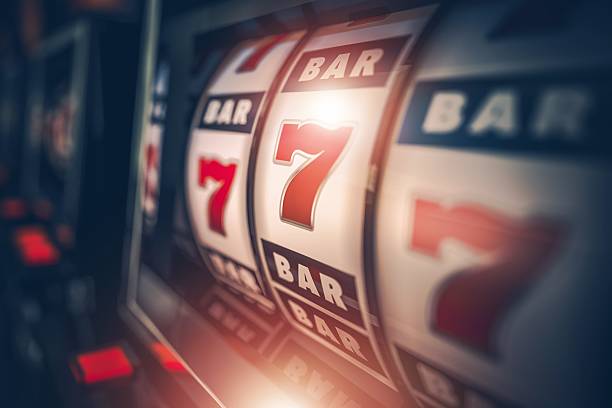
Furthermore, the anticipation often outweighs the actual outcome, creating a cycle of engagement that is both exhilarating and addictive. This phenomenon ties closely to the concept of variable reinforcement, where players do not know when they might hit a winning streak, compelling them to return for more. This unpredictable nature of gambling becomes a hook, keeping players tied to the casino experience.
The Social Environment of Casinos
Casinos are not just places for solitary gambling; they serve as vibrant social hubs that draw people in. The lively atmosphere, complete with flashing lights and sounds, creates an immersive environment that can heighten the enjoyment of gambling. Interacting with other players and engaging with croupiers fosters a sense of community and belonging, which is a powerful psychological draw. This social aspect translates to a positive emotional experience, making players feel welcomed and energized.
Moreover, the shared experiences, celebrations of wins, and even the camaraderie during losses can deepen connections among gamblers. Many individuals are likely to return not only for the games but for the social interaction that accompanies them. The presence of others can amplify emotions, making the excitement of gambling even more thrilling and compelling.
The Impact of Marketing and Branding
Psychological strategies employed by casinos through marketing and branding significantly influence player behavior. Casinos often create compelling narratives around their establishments, portraying them as places of luxury, excitement, and potential fortune. Sophisticated advertising techniques tap into aspirational feelings, drawing in potential gamblers through enticing visuals and promises of big wins. By fostering an image of exclusivity and grandeur, casinos effectively appeal to the desire for both entertainment and status.
Furthermore, loyalty programs and promotional offers feed into player psychology, reinforcing behaviors that bring people back. These incentives create a sense of ownership and belonging, as players feel recognized and valued by the casino. This can lead them to frequent the same establishment repeatedly, not just for the games but in pursuit of rewards that enhance their gaming experience.
The Role of Losses and Risk Aversion
The psychology of loss plays a significant role in why players continue to gamble, even after experiencing negative outcomes. The phenomenon known as the “loss aversion” principle suggests that losses can feel more impactful than equivalent gains. As a result, many players chase their losses in hopes of recouping what they’ve lost, leading them to gamble more. This quest can create a cycle where players believe they are just one game away from a win that will set everything right.
This mindset can be exacerbated by cognitive biases, such as the gambler’s fallacy, where players believe past outcomes can influence future results. Thus, even after a string of losses, they might feel convinced that a win is imminent, which keeps them returning to the tables and machines. This cycle of chasing losses reinforces the strong psychological pull of casino gambling.

Understanding the Importance of Security in Online Gambling
With the rise of online casinos, understanding the psychological implications has become even more critical. The convenience of playing from home presents unique challenges, including the need for robust security measures to protect users from potential online threats. As gambling moves into the digital realm, ensuring a safe environment can enhance player trust and encourage continued participation.
Websites dedicated to providing security services play an essential role in this ecosystem. They work tirelessly to safeguard against online threats, creating a sense of security that allows players to focus on their gaming experience. By understanding and addressing these concerns, the online casino industry can foster a more positive psychological environment, ultimately encouraging players to return time and time again.
