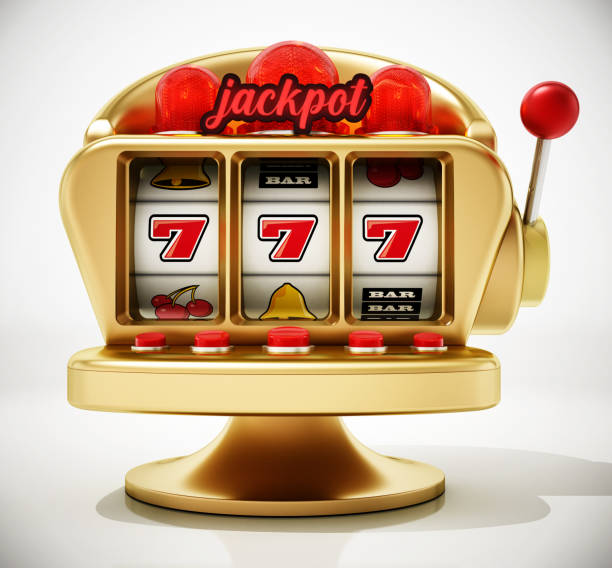
Understanding the subconscious drives behind gambling behavior
The Psychological Appeal of Gambling
The allure of gambling often lies deeply rooted in psychological factors that motivate individuals to engage in betting activities. One significant drive is the thrill of uncertainty, which stimulates the brain’s reward system. When players anticipate the potential for winning, their bodies release dopamine, creating feelings of excitement and pleasure. This biochemical response can lead individuals to seek out gambling experiences repeatedly, sometimes in an attempt to recapture that initial high. The unpredictable nature of games can become an addictive cycle that keeps players returning for more. If you want to explore this further, you can go to site that covers various aspects of gambling behavior.

Another psychological factor is the concept of escapism. Many individuals turn to gambling as a way to cope with stress, anxiety, or boredom. The immersive nature of casino environments and online gambling platforms provides a distraction from daily life, allowing players to lose themselves in the moment. This desire to escape can lead to impulsive decisions, where individuals gamble to forget their problems, not realizing the potential consequences of their actions.
Moreover, the social aspect of gambling can significantly influence behavior. Many people enjoy the camaraderie that accompanies betting activities, whether in casinos or online communities. This social dimension can reinforce gambling habits, as individuals feel a sense of belonging and connection with others who share similar interests. As such, the interplay between psychological rewards and social interactions can create a powerful impetus for continued gambling, often overshadowing rational decision-making.
The Role of Cognitive Biases
Cognitive biases play a pivotal role in shaping gambling behavior, often leading individuals to make irrational decisions. One common bias is the illusion of control, where gamblers believe they can influence outcomes through their actions. This false sense of mastery can drive individuals to gamble more frequently, convinced that their strategies will yield success. For instance, players may think they can predict the outcome of a slot machine or develop a winning strategy for poker, leading to overconfidence in their abilities.
The gambler’s fallacy is another cognitive distortion that significantly impacts betting behavior. This phenomenon occurs when players believe that past outcomes will influence future events. For example, a gambler might think that a particular number is “due” to win because it hasn’t appeared recently. This line of thinking can lead to excessive betting and poor financial decisions, as individuals chase losses under the misguided belief that they will eventually hit a winning streak.
Additionally, confirmation bias often reinforces existing beliefs about gambling. Players may focus on their wins while disregarding their losses, creating a skewed perception of their overall gambling success. This selective memory encourages continued gambling and can make it difficult for individuals to recognize harmful patterns in their behavior, ultimately leading to a cycle of addiction that can be challenging to break.
The Impact of Emotional States
Emotions play a crucial role in gambling behavior, often driving individuals to make impulsive decisions. For example, feelings of sadness, anger, or even excitement can push individuals toward gambling as a means of coping with their emotions. The release of adrenaline during high-stakes games can create a euphoric experience, which players may seek to replicate during subsequent gambling sessions. This emotional rollercoaster can contribute to compulsive gambling, as individuals chase the highs while attempting to escape the lows.
Moreover, the impact of peer pressure can exacerbate emotional gambling tendencies. When individuals find themselves in environments where others are gambling, they may feel compelled to join in, even if they are not in a sound financial position. This emotional response can lead to rash decisions that may not align with their typical behavior, highlighting how strong emotional states can influence gambling actions.
Furthermore, the anticipation associated with gambling can heighten emotional responses. The suspense of waiting for outcomes, particularly in games like roulette or blackjack, can generate intense emotional investment. Players often experience a rush of hope and excitement during these moments, making it challenging to step back and evaluate the situation rationally. Over time, this emotional connection to gambling can create an attachment that is difficult to manage, leading to harmful behaviors that can impact personal finances and relationships.
Understanding Responsible Gambling Practices
In light of the subconscious drives behind gambling behavior, it is essential to promote responsible gaming practices. Players should be encouraged to set limits on their time and spending when engaging in gambling activities. Creating a budget and sticking to it can help mitigate the risks associated with emotional and cognitive biases, allowing individuals to enjoy the thrill of gambling without succumbing to harmful behavior. Establishing clear boundaries is a proactive step toward maintaining a healthy relationship with gambling.
Additionally, educating gamblers about the psychological aspects of gambling can empower them to make informed decisions. Understanding the influence of cognitive biases and emotional states can help individuals recognize when they may be engaging in risky behaviors. Resources such as self-assessment tools and informational materials can provide valuable insights into the mechanics of gambling and the importance of self-awareness, encouraging players to make more conscious choices.
Support systems also play a vital role in responsible gambling. Engaging friends or family members in discussions about gambling can create an environment where individuals feel comfortable sharing their experiences. This openness can facilitate healthier decision-making and create a support network that encourages responsible gaming. By emphasizing community and understanding, players can foster a healthier gambling culture that prioritizes enjoyment and accountability over impulsivity and addiction.

Explore Responsible Gaming Resources
For individuals interested in understanding the subconscious drives behind gambling behavior, numerous resources and platforms are available to guide them. Online casinos and gaming sites often provide dedicated sections on responsible gambling, offering tips, tools, and support for players to navigate their gaming experiences safely. By educating themselves on these practices, players can gain insights into maintaining a healthy relationship with gambling.
Moreover, communities focused on responsible gaming provide valuable support for individuals who may be struggling with their gambling habits. These communities often host forums and discussions, where players can share their experiences and seek advice. By connecting with others who understand the challenges of gambling, individuals can find encouragement and practical solutions to manage their behavior.
Ultimately, fostering an understanding of the subconscious drives behind gambling behavior is essential for ensuring a safe and enjoyable gaming experience. By taking advantage of available resources and practicing responsible gambling techniques, players can enhance their enjoyment while minimizing potential risks associated with their activities.